
Meg Lowman Treetops Camp in July 2016
Tanglewood Nature Center in Elmira/Lowman NY hosted 16 middle school girls for the “Meg Lowman Treetops Camp in July 2016”. In partnership with Cornell University’s


Tanglewood Nature Center in Elmira/Lowman NY hosted 16 middle school girls for the “Meg Lowman Treetops Camp in July 2016”. In partnership with Cornell University’s

The Cornell Tree Climbing Institute took Solo on an expedition to Madagascar, where they use it as a tool to plan safer and accurate climbing

These young girls have raised over $300 within their “Save the Sloths” group at school. They plan to continue to learn about sloths, educate others,
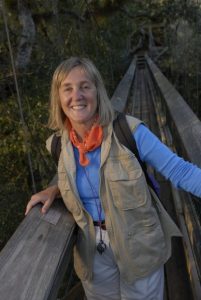
Dr. Meg Lowman is one of the scientists that appears on the first episode of the new “Ode to Evolution” podcast. This podcast “blends art, storytelling, and science to bring you tales of evolutionary research happening right now – in a format that is accessible to all ages.” Episode One “In this episode of the […]

Here are some views of our Williams College canopy walkway in Hopkins Forest, Massachusetts. It’s the first canopy walkway in North America and was built

Check out this video from the 28 January 2016 Women in Science Summit (co-hosted by CanopyMeg Lowman) at the California Academy of Sciences, that inspired
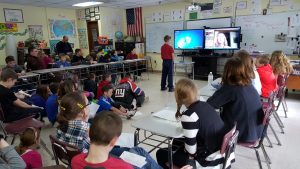
Mrs. Mahon’s 5th graders read “The Most Beautiful Roof in the World: Exploring the Rainforest Canopy” and then spoke to CanopyMeg via Skype from their classroom!

Set in the world of a spoofed prescription drug commercial, Nature Rx is all about inspiring folks to explore and rediscover their love of the

Millennium Ecologic Museum in Cameroon, Africa opens its doors in January 2016!!! We are excited to partner with Dr. Bernard Nkongmeneck on this important biodiversity

LIVE STREAM of WOMEN in Science Summit 2016 #SciWomen16. Watch video here. https://www.youtube.com/live/_0dXodS8Qq0?si=iUUs0F0TXQLTfKwo Via University of California Santa Cruz: A Women in Science Summit co-sponsored by