Meg Lowman: Canopy Walkways' Dual Role as Wildlife Crossings

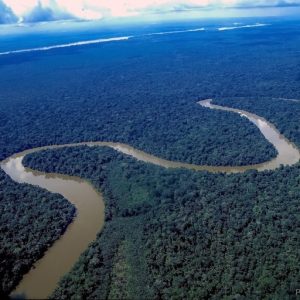
Myakka Canopy Walkway

Myakka Canopy Walkway

TREE Foundation Executive Director Meg lowman talks wildlife crossings — and canopy walkways — in this fascinating article in the The Christian Science Monitor, written by Charukesi Ramadurai.


Roads broke up an endangered monkey’s habitat.
Can bridges fix it?

endangered monkey habitat

Source: Christian Science Monitor

Click here to read “Roads Broke Up An Endangered Monkey’s Habitat. Can Bridges Fix It?”
 

Recent Articles

Frequently Asked Questions

1 What is the primary function of the canopy walkways supported by the TREE Foundation?

According to the page title, these canopy walkways serve a "double duty" as wildlife crossings. They are designed to provide access to the forest canopy, which supports ecological research, education, and observation of arboreal wildlife.

2 How do these canopy walkways benefit wildlife?

By functioning as wildlife crossings, the walkways help animals safely traverse fragmented landscapes. This can reduce risks associated with ground-level movement and connect isolated habitats, contributing to wildlife habitat conservation.

3 Can you name some locations where the TREE Foundation has canopy walkways?

The TREE Foundation supports walkways in various global locations. Examples include Amazonian Peru, Myakka River, Redwood Sky Walk, Ranomafana State Park, and the Western Ghats in India, among many others listed on the site.